How Vacation Turned Sunscreen Into a Lifestyle
A brand built around leisure.
Vacation is a sunscreen brand that takes leisure very seriously. Poolside photography, playful products and fictional office memos carry the same idea across its website, packaging, emails and social posts.
Build a place people recognize.
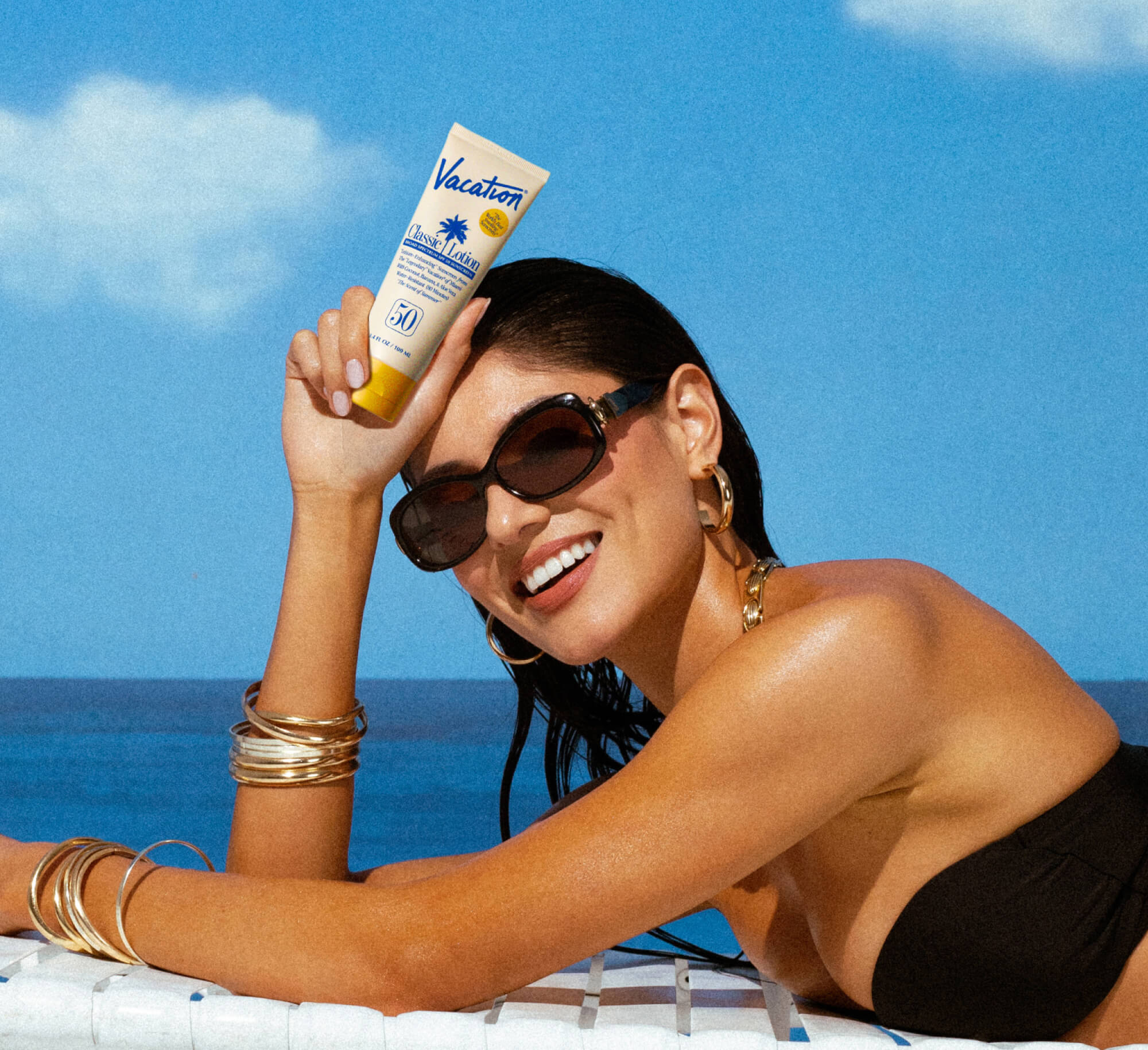
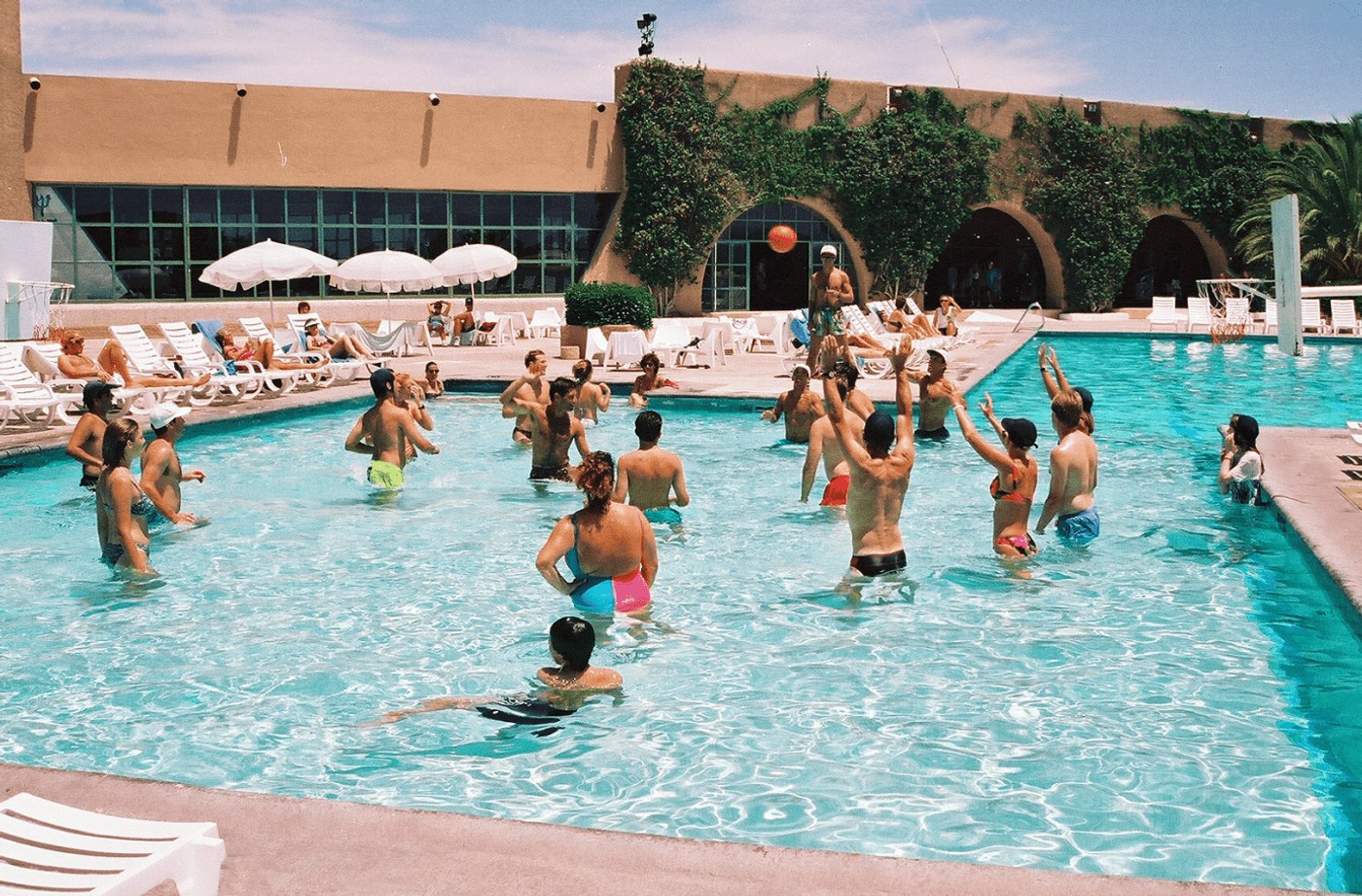
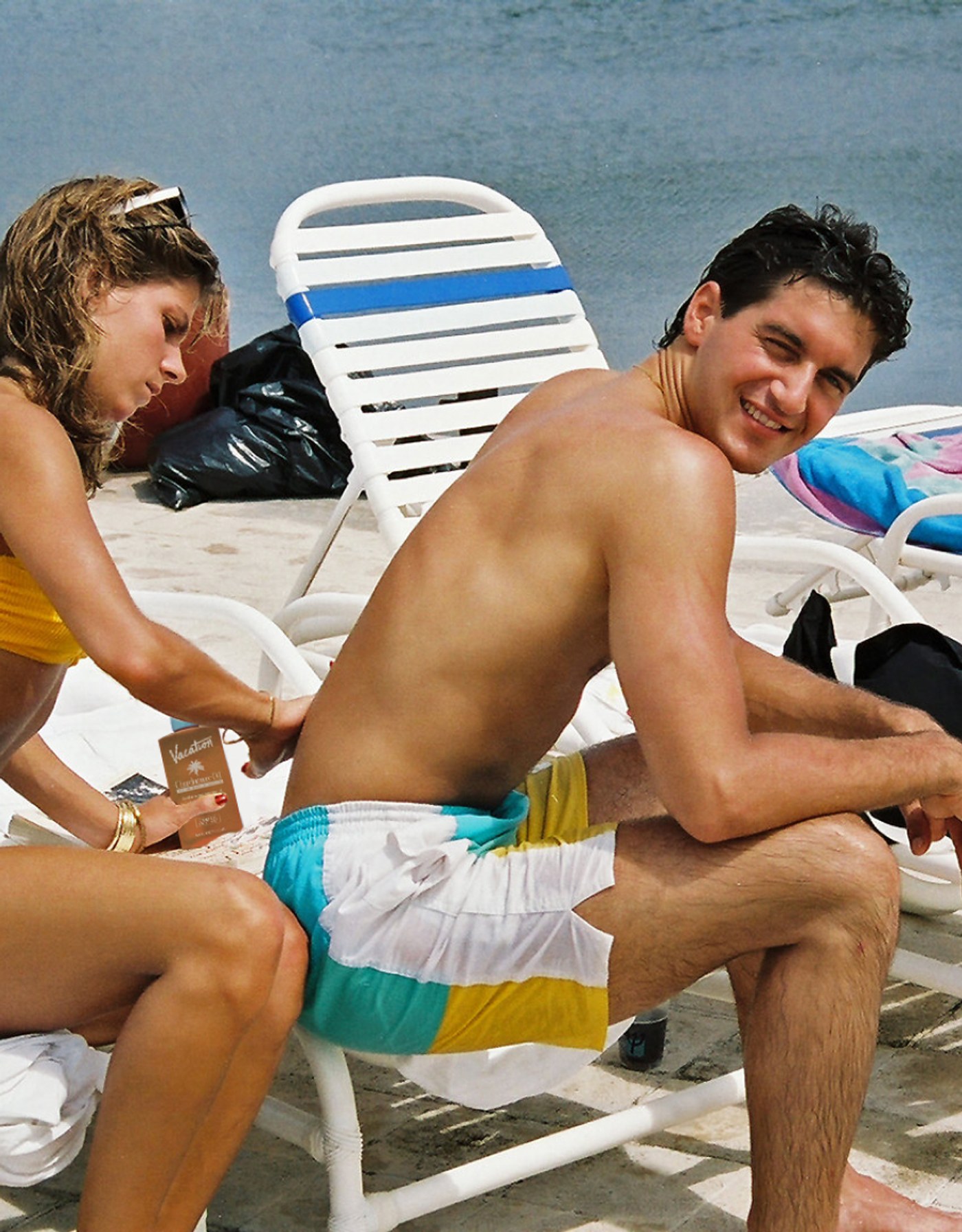
The website introduces Vacation through a scene: sunshine, skin, water and the familiar look of a resort holiday. The photography feels like something from an older travel brochure. The cream panels, expressive script logo and blue pool water give the page a recognizable setting before you read the product details.
The useful part is what happens around that scene. The shopping navigation and product links remain straightforward, while the language adds a leisure-company personality. You can browse a sunscreen range without needing to understand the whole joke. Spend longer and there is more to notice.
That balance is worth studying. The setting supplies the feeling; the store still has to help people shop. A distinctive world works best when it reaches the ordinary parts of the experience, too.
Let the products carry the idea.
Classic Whip makes the connection physical. Its aerosol packaging borrows the shape and dispensing ritual of whipped cream, with a mousse sunscreen that forms peaks. It is a product you can explain through a photograph or a short demonstration. The packaging gives people something to remember beyond a logo.
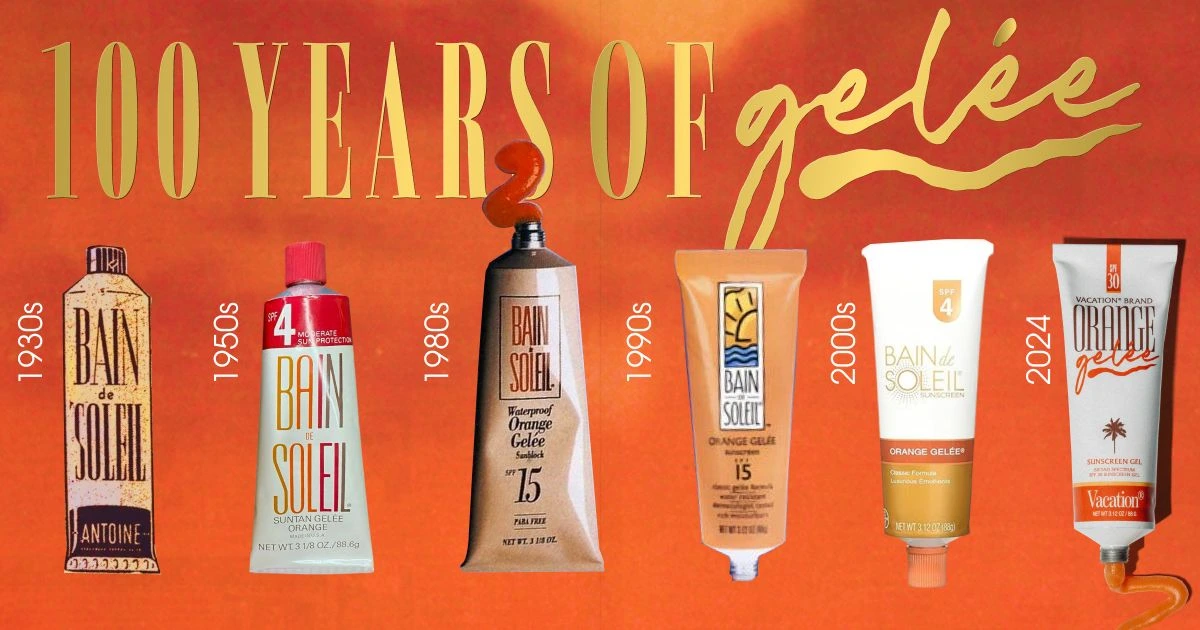
Orange Gelée approaches the same leisure world through an existing sun-care ritual. Vacation’s revival and anniversary work place the tube alongside earlier packaging, making the product’s history part of the experience. The references differ, but both products belong to a world of familiar holiday pleasures.
This is where brand consistency gets interesting. The products do not need identical packaging. A shared point of view can hold together different shapes, colors and references while leaving each product a reason to exist.
Keep the voice in the everyday work.
An email about facial sunscreen becomes a performance review. Press coverage and customer reviews become evidence of a job well done. The structure is still a product email: introduce the range, provide reassurance and give the reader somewhere to click. The corporate language makes that structure feel like Vacation.
The social feed takes the premise further. In one Casual Friday post, an employee is commended for arriving in a carefully coordinated polo and linen shorts. A suggested visor is rejected because it would disrupt the color scheme. The closing promise of a corporate memorandum completes the scene.
The humor comes from taking leisure seriously enough to invent policies around it. That is a repeatable writing decision. It can shape a subject line, a caption or a product description without requiring the same visual every time.

Give people ways to take part.
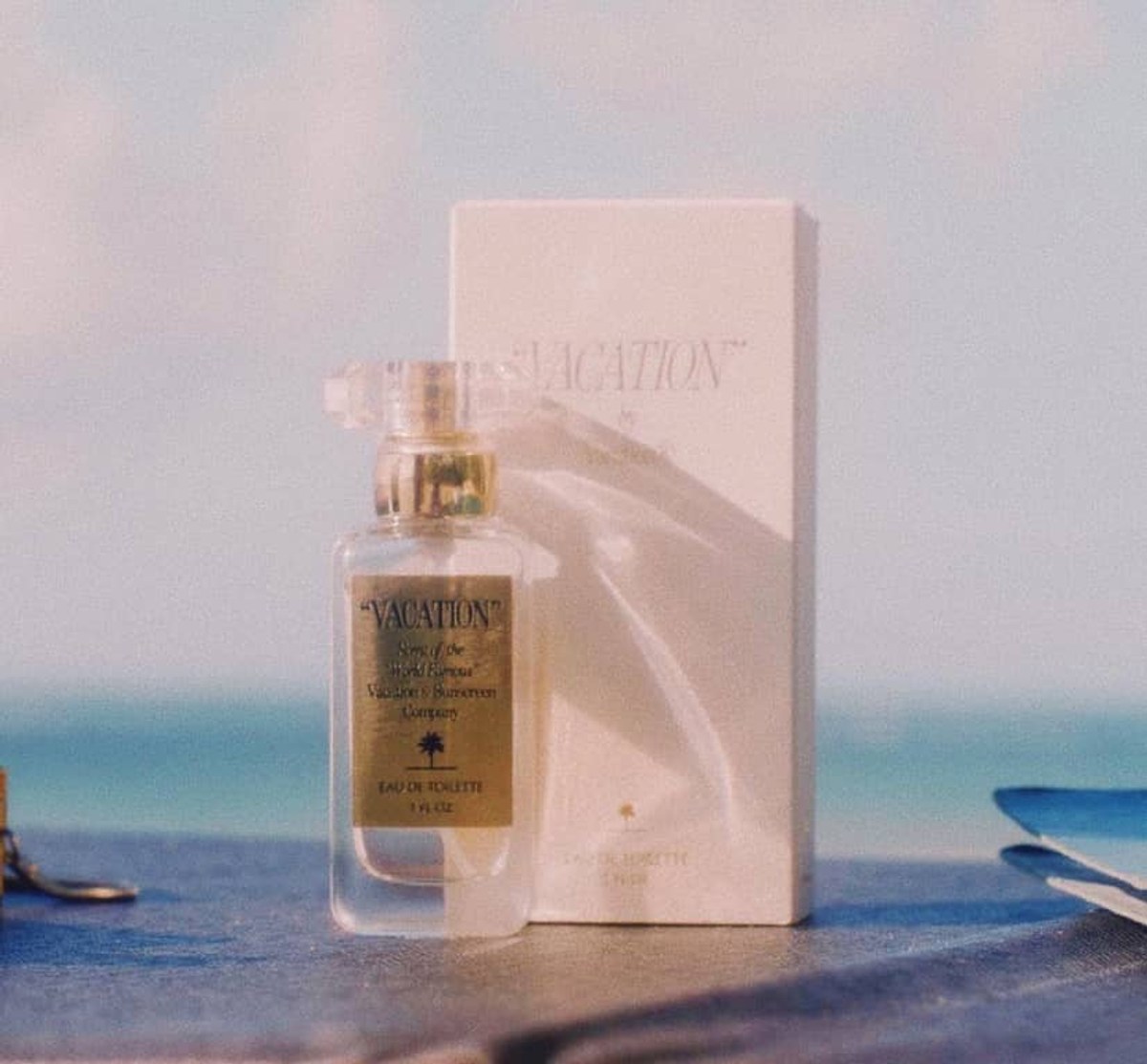
Vacation extends the setting into experiences people can use. Its website offers honorary employee titles, and packaging QR codes connect people to Poolsuite FM. The signature fragrance carries the sunscreen association into another product, combining familiar fruit and floral notes with references to pool water, pool toys and swimsuit fabric.
Each addition gives the imagined place a little more substance. A soundtrack can accompany an afternoon. A title gives someone a role. A fragrance carries an association beyond the screen. The world becomes easier to enter because there are several ways to participate.
The 100 Years of Gelée campaign shows how this can support a launch, too. Packaging history, product releases and celebrations sit inside an existing fascination with leisure. The campaign has a distinct subject, but the audience does not have to learn a new brand personality to follow it.
Start with a point of view you can use.
Vacation is a useful example because its idea keeps producing decisions. It informs what a product looks like, how an email is written and what a social post is about. The repetition is in the attitude as much as the design.
For another brand, the lesson is to define a world precisely enough that a team can work inside it. What would this company celebrate? What would it make, say or invite someone to do? Then examine the small moments: the product page, the welcome email, the caption. Those are often where a brand world becomes believable.