How Rare Beauty Studies Packaging
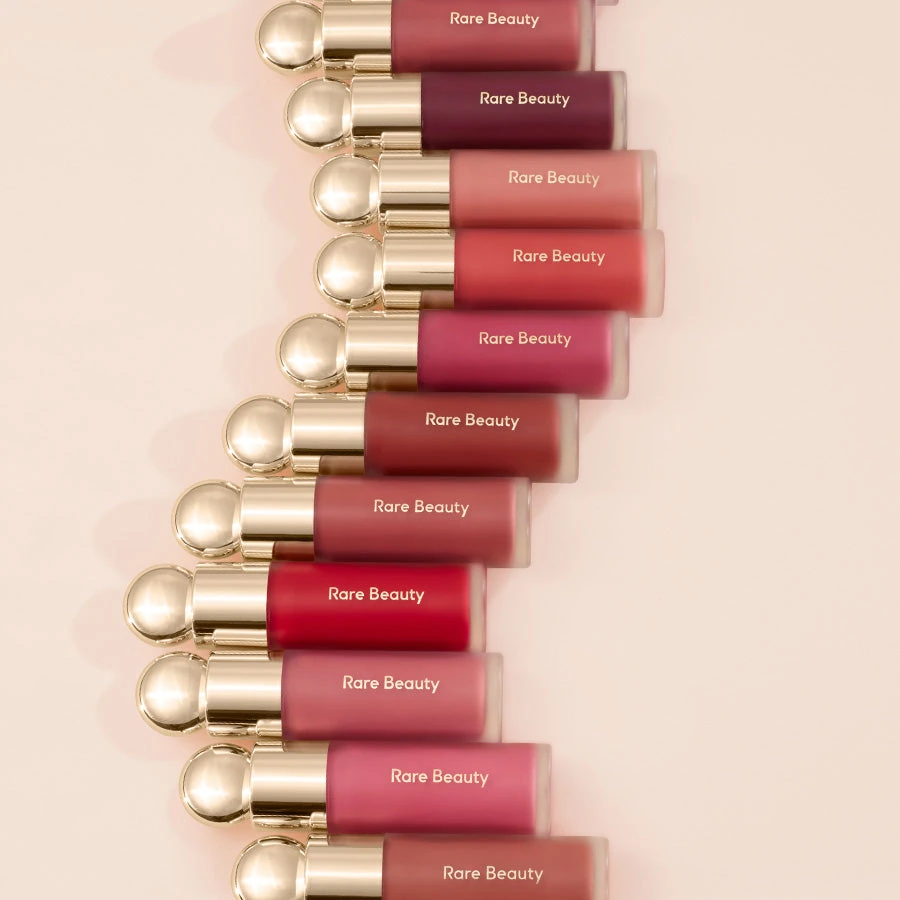
Opening, gripping and applying turn a broad design ambition into specific questions.
Rare Beauty’s Made Accessible Initiative examines opening, gripping and applying. Its research with Casa Colina turns those handling tasks into questions for people with hand and arm disabilities. The work offers a specific way to discuss packaging usability.
Break the routine into handling tasks.
Rare Beauty describes the initiative as a response to feedback that some customers found its products accessible. The brand partnered with Casa Colina Research Institute to investigate what made opening, closing, holding and applying easier for people with dexterity limitations. That account gives the later research a specific starting point; it does not establish that every original package was developed for a defined disability.
Each verb calls for a different observation. Holding a bottle securely is different from overcoming a closure’s resistance. Removing a wand is different from controlling its tip during application. A package can help at one moment and create difficulty at another. Grouping all of those experiences under a single easy-to-use claim can hide the details a designer needs.
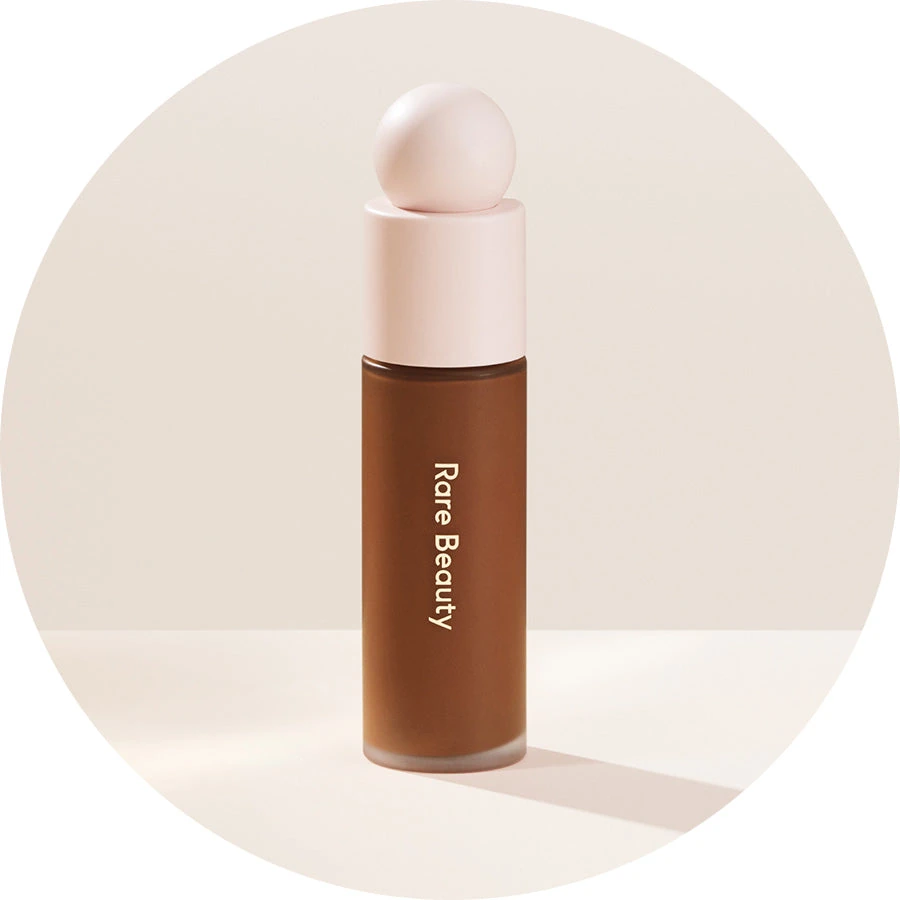
The brand’s product notes make those distinctions tangible. For Soft Pinch Liquid Blush, it calls out cap resistance, applicator removal, the matte finish and bottle size. For Liquid Touch Weightless Foundation, it emphasizes grip and the bottle’s shape and finish. These are attributed explanations of design features, rather than a guarantee that either product will work for every person.
Ask people to use the products over time.
Casa Colina says it conducted an initial study on behalf of Rare Beauty in 2023 with 57 participants who had a range of hand and arm disabilities. The January 30, 2024 preprint describes a single-group study of seven products, with initial questionnaires and hand-function assessments followed by a two-week period of product use. Participants then reported on usability and their experiences.
The trial moves the question beyond appearance. Its questionnaires covered such details as gripping containers, opening caps and using applicators. The paper also describes suggestions for changes, including longer applicator wands and packaging materials that could be easier to grip. User feedback can therefore identify the next design question as well as describe a feature that helped.
The study was funded by Rare Beauty. The authors disclose that support and state that the brand did not control the study’s design, analysis or interpretation. The reviewed document is a preprint, and its single-group design should not be turned into a claim of superiority over all other beauty packaging.
Make the limits part of the explanation.
Rare Beauty’s support FAQ acknowledges that its sample may not capture every constraint or experience. It also explains that some formulas need particular closures to protect them through storage and shipping, which is one reason the whole range is not included in the initiative. Accessibility work has to contend with those product requirements as well as the person handling the package.
The FAQ addresses a very specific difficulty: a product that is hard to open for the first time. The brand says packaging is tightened after filling and that the first opening requires the most force. That is a support explanation, not proof that an individual user can overcome the resistance. It shows why testing only a repeatedly opened sample could miss an important moment.
A reply in an r/Sephora discussion from someone reporting MS-related damage in one hand praises the grippy matte packaging. It is a useful account of one person’s experience, alongside the brand’s acknowledgment that others can still have difficulty. Neither a favorable reply nor a favorable study response should stand in for everyone’s hands.
Write a brief that names the task.
For a packaging team, the practical starting point is a sequence of actions. Ask participants to pick up the filled container, open a new closure, remove or operate the applicator, apply the product and close it again. Observe the workarounds as well as the completed steps. Support from a countertop, another hand or an improvised grip may reveal a requirement the sketch did not show.
Keep the findings attached to the product, task and people involved. A change to a cap, coating or pump should lead to another evaluation of that version. Rare Beauty’s research offers a useful example of making handling visible in a design conversation. The claim becomes more useful when it explains who was involved, what they tried and where the difficulty remains.
Reporting sources
- Rare Beauty — Made Accessible Initiative
- Casa Colina Research Institute — Rare Beauty collaboration
- Fullmer et al. — Exploring Beauty Product Accessibility for Individuals with Upper Extremity Disabilities
- Rare Beauty — Made Accessible support FAQs
- r/Sephora — accessibility product discussion and replies